Choosing the right tech stack is crucial for your business website’s performance, security, and scalability. This guide breaks down the key components of a tech stack, factors to consider, and the best technology choices based on your business needs. Whether you're a startup, e-commerce brand, or enterprise, selecting the right frontend, backend, and database solutions ensures long-term success.
Table of Contents
1️) Introduction: Why Choosing the Right Tech Stack Matters
2️) Understanding the Basics: What is a Tech Stack?
3️)Frontend vs. Backend: Key Components of a Website
4️) Factors to Consider When Selecting a Tech Stack
5️) Popular Tech Stacks for Different Business Needs
6️) Scalability & Security: The Long-Term Impact of Your Choice
7️) Cost Considerations: Finding the Right Balance
8️) Conclusion: Making the Best Decision for Your Business
1) Introduction: Why Choosing the Right Tech Stack Matters
Your business website's performance, scalability, and security can be decided by the technology stack you select. An optimized tech stack provides quick load times, smooth user experience (UX), and top search engine rankings (SEO). With so many choices, however, how do you make the right decision?
This tutorial will take you through all there is to know about selecting the optimal tech stack based on your business objectives, budget, and future scalability requirements.
Understanding the Fundamentals: What is a Tech Stack?
A tech stack is the set of programming languages, frameworks, libraries, and tools that are utilized to develop and operate a website. It has two main elements:
Frontend (Client-Side) – The portion of the website that users interact with.
Backend (Server-Side) – The technology behind the scenes that drives the site.
Choosing the appropriate tech stack is important to ensure that your website is efficient, secure, and scalable.
3️) Frontend vs. Backend: The Major Parts of a Website
Frontend (Client-Side)
Technologies behind the visual appearance and user experience of your website:
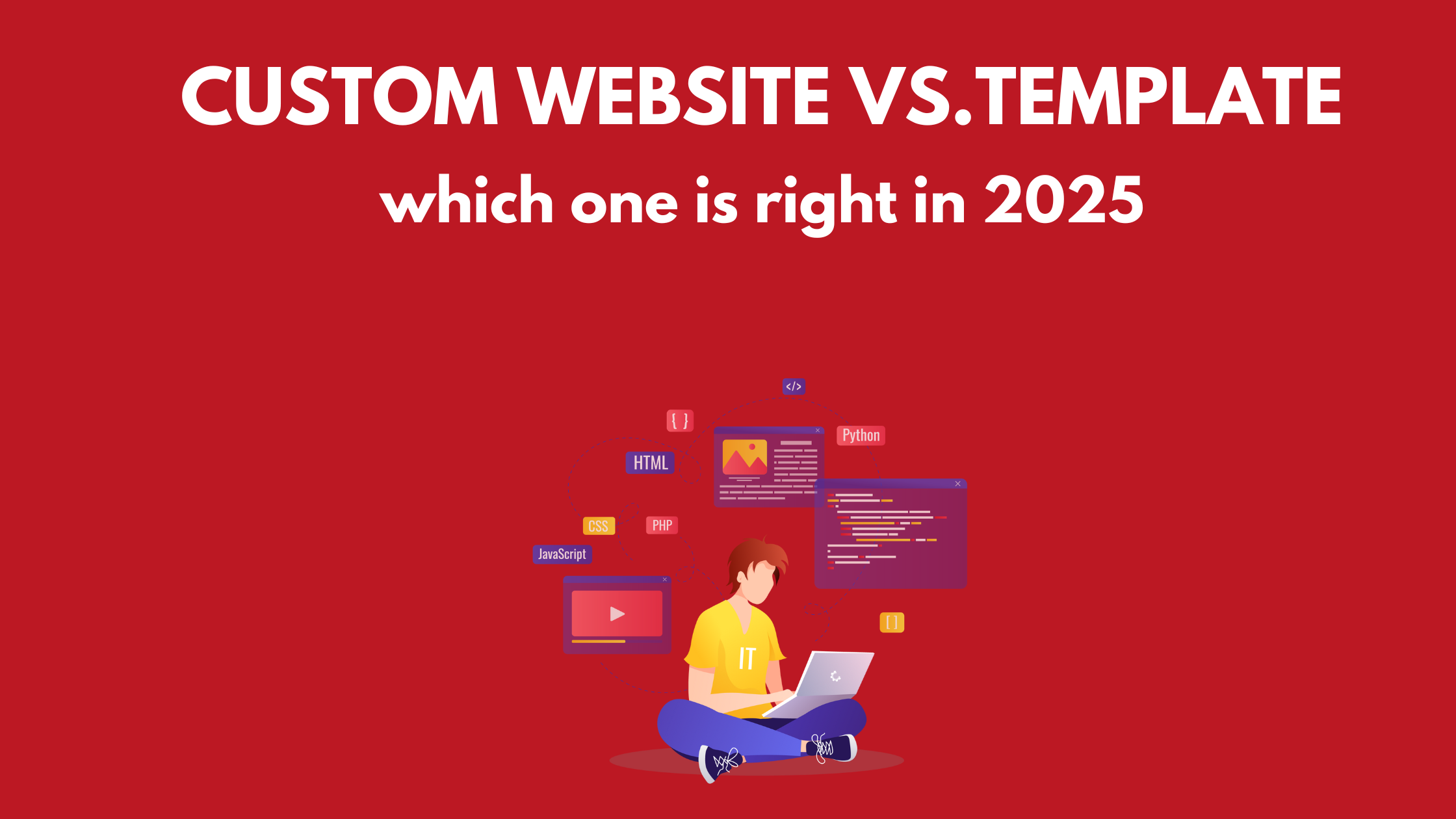
HTML, CSS, JavaScript – The web design basics.
Frameworks & Libraries: React.js, Angular, Vue.js, Bootstrap, Tailwind CSS.
Why It Matters? A well-designed frontend means quick loading speeds, mobile friendliness, and seamless UI/UX.
Backend (Server-Side)
Manages the website logic, database, and server-side computations:
Programming Languages: Node.js, Python, PHP, Ruby, Java.
Frameworks: Express.js, Django, Laravel, Spring Boot.
Databases: MySQL, PostgreSQL, MongoDB, Firebase.
Why It Matters? The backend is responsible for security, data processing, and smooth user requests.
4️) What to Keep in Mind When Picking a Tech Stack
Picking the right tech stack is based on several things:
Project Needs – E-commerce websites, blogs, SaaS platforms each require something unique.
Scalability – Will your website scale and cope with increased traffic and growth over time?
Security – Is your technology stack safe from cyber-attacks?
Performance & Speed – Improved SEO and user experience come with faster load times.
Developer Availability – Select technologies that enjoy a robust developer base.
Budget Constraints – Certain tech stacks involve greater development and maintenance expenses.
5️) Popular Tech Stacks for Different Business Needs
Depending on your business type, here are some recommended tech stacks: For Small Businesses & Startups
- Frontend: React.js, Vue.js, Bootstrap.
- Backend: Node.js with Express, Firebase.
- Database: Firebase, PostgreSQL.
For E-Commerce Websites
- Frontend: Next.js, Angular.
- Backend: Django, Laravel.
- Database: MySQL, MongoDB.
For Large-Scale Web Applications
- Frontend: React.js, Angular.
- Backend: Spring Boot (Java), .NET.
- Database: PostgreSQL, MongoDB, Redis (for caching)
6) Scalability & Security: Your Long-Term Decision
Opting for a scalable and secure tech stack has far-reaching consequences:
✔ Scalability: Choose a stack that doesn't lag even during massive traffic.
✔ Security: Install SSL encryption, authentication protocols, and data safeguards.
✔ Cloud-Based Hosting: AWS, Google Cloud, and Azure provide scalable solutions.
7️) Cost Factors: The Balance of Choice
Tech stacks differ in terms of development, hosting, and maintenance expenses.
Low-Cost Stacks: PHP with Laravel, WordPress, Firebase. Mid-Range Stacks: Node.js with MongoDB, Django with PostgreSQL. High-End Stacks: Java Spring Boot, .NET, Kubernetes for large-scale applications.
Tip: Open-source technologies save costs without compromising performance.
8️) Conclusion: Choosing the Best for Your Business
Choosing the right tech stack for your business website is crucial for long-term performance, security, and scalability. By understanding your business needs, traffic expectations, and budget, you can make an informed decision that ensures growth and success.
If you need expert guidance on selecting the perfect tech stack, LogixHunt can help! Our team specializes in custom web solutions tailored to your business needs. Let’s build something great together!
#sales# stack# tech stack# website development# website services# websites# growth# trend# 2025# website designing# web development# digital marketing
Logixhunt is an IT company that provides cutting-edge services in the fields of website development, software development, and mobile app development. Logixhunt is dedicated to providing quality services to our clients, and helping young college students learn the most in-demand skills in the industry. We offer 3 and 6 months internship programs to college students, so they can stay up to date with the latest trends in the field. Our experienced team of professionals is always ready to help students hone their skills and become the next generation of tech professionals.
Related Blogs
.png)